Exploring Sci-Fi Worlds Built with Unreal Engine
21 February 2026
Ever dreamed of stepping into a distant galaxy or wandering through a futuristic, neon-lit cityscape? Yeah, me too. There’s something mind-blowingly cool about science fiction worlds. They don’t just entertain—they let us escape, imagine, and sometimes even catch a glimpse of where tech might be heading. And when it comes to building these visually stunning, immersive experiences, there’s one tool that keeps popping up at the heart of it all: Unreal Engine.
This beast of a game engine has become the go-to for developers wanting to push sci-fi design to new limits. So hop in your virtual spaceship—today, we’re going deep into the digital cosmos to see how Unreal Engine is powering some of the most jaw-dropping sci-fi universes out there.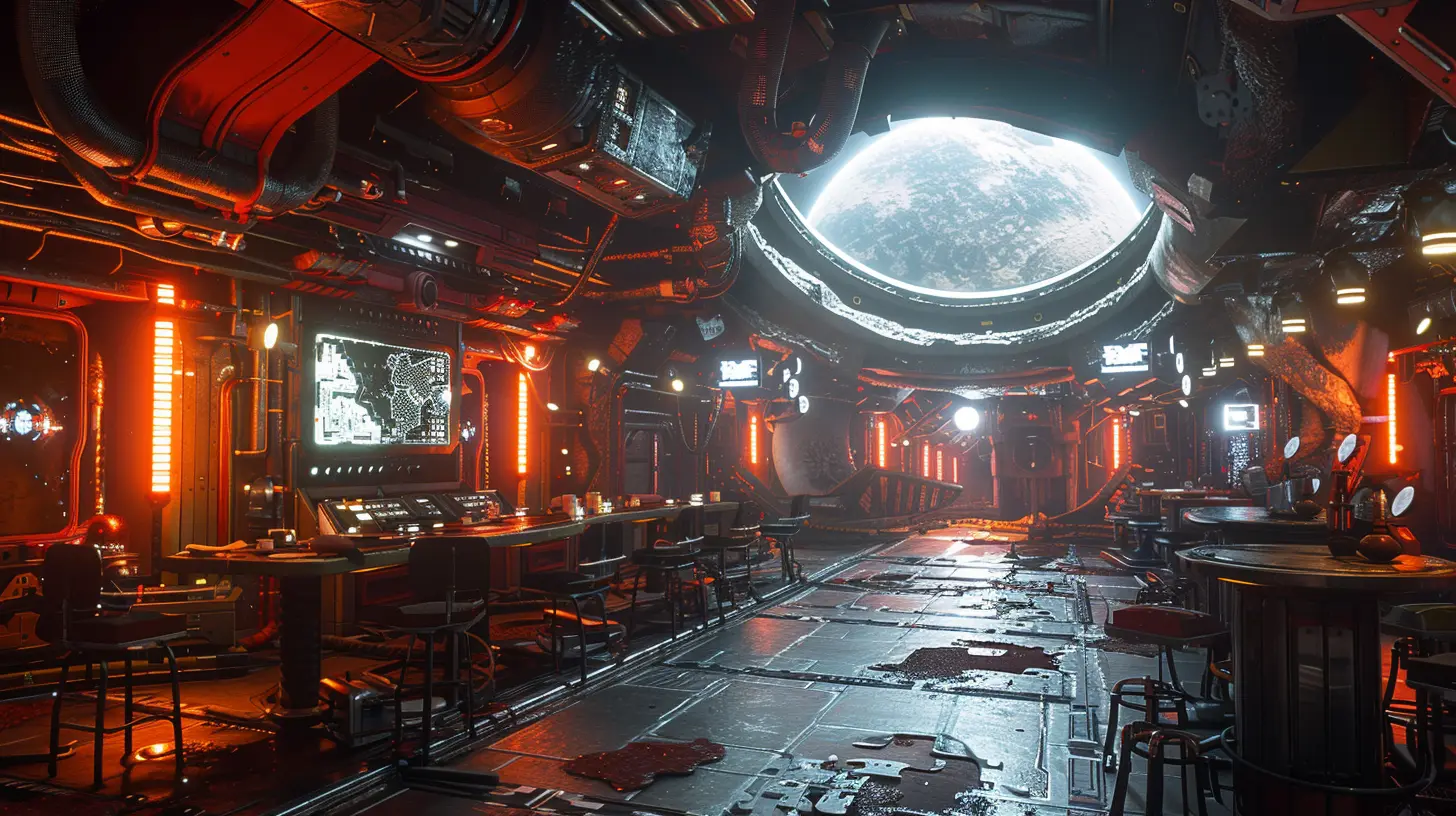
What Makes Unreal Engine So Perfect for Sci-Fi Games?
Let’s be real—sci-fi is a demanding genre. It needs mind-bending visuals, intricate level design, and a whole lot of flexibility. That’s where Unreal Engine steps in like a superhero with a jetpack.Unreal Engine (especially versions UE4 and UE5) offers real-time rendering, ultra-detailed textures, dynamic lighting, and powerful physics. Translation? It makes impossible worlds look incredibly real.
Think about it: alien planets, cyberpunk megacities, sprawling space stations—these settings need to feel alive and believable. Unreal’s Nanite virtualized geometry and Lumen global illumination make it happen, even on next-gen consoles and PCs.
But it’s not just about eye candy. Unreal Engine also gives developers the tools to build massive open-worlds, craft AI behavior, and add cinematic storytelling. Basically, Unreal doesn’t just paint the sci-fi picture—it animates it.
Top Sci-Fi Worlds Built on Unreal Engine
Here comes the fun part. There’s a growing list of stunning sci-fi games and virtual experiences powered by Unreal Engine. Let’s break down a few that truly stand out.1. The Invincible – Retro Sci-Fi Vibes
Based on the novel by Stanisław Lem, The Invincible is a narrative-driven experience built with Unreal Engine 4. It throws you into a 1960s-inspired retro-future aesthetic with robots, desolate alien terrain, and philosophical undertones.Even though it’s narrative-heavy and not a high-octane space shooter, the way the world is designed with Unreal gives it a tangible, eerie vibe. The lighting reflects the harsh environment of the unexplored planet, and the sound design—also enhanced by Unreal—amplifies the isolation.
2. Star Wars Jedi: Survivor – Force-Powered Immersion
You can’t talk about sci-fi without tipping your hat to Star Wars. Jedi: Survivor, built with Unreal Engine 4, brought us an incredibly detailed universe with cinematic flair. Whether it’s dense forests or hi-tech Imperial bases, the levels feel like you’ve literally stepped into a galaxy far, far away.Unreal’s strengths in character animation and environmental lighting really shine here, giving lightsaber battles and Force powers that extra oomph. And let’s be honest, who doesn’t want to wall-run through space ruins while slashing droids?
3. Deliver Us The Moon – A Haunting Space Survival
This indie gem might not get as much mainstream love, but it deserves a shoutout. Built using Unreal Engine, Deliver Us The Moon drops you into a near-future scenario where Earth’s energy crisis leads to a lone astronaut heading to the Moon to save humanity.From the moody shadows of space stations to the soft glows of lunar outposts, Unreal Engine lets this game use lighting and atmosphere as storytelling tools. It’s a great example of how Unreal helps small studios punch way above their weight.
4. Echo – Sci-Fi Meets Mind Games
Here's one that flew under many radars—Echo. It's a third-person sci-fi action-puzzle game with a clever twist: the enemies are clones of you who learn from your behavior.Sounds creepy? It is. And it’s stunning, too. The game uses Unreal to create a lavish palace seemingly floating in space. The environment shifts, the AI adapts, and all of it looks like something out of a high-budget sci-fi film.
Unreal Engine 5: The Next Frontier
If you thought Unreal Engine 4 was impressive, wait till you get a load of Unreal Engine 5. It’s a total game-changer for sci-fi developers.Nanite and Sci-Fi Environments
Ever noticed how sci-fi landscapes are packed with detail? Floating circuits, weathered spaceship hulls, alien plant life. UE5’s Nanite tech handles all that high-density detail without blowing up performance. It’s like giving artists an unlimited brush while keeping the game smooth as butter.Lumen and Real-Time Lighting
Light is everything in sci-fi. Whether it’s a flickering neon sign or the glow of a plasma blade, lighting sets the mood. Lumen in UE5 brings fully dynamic lighting that reacts instantly. Think real-time reflections, shadows that shift, and interiors lit like blockbuster movies. Yes, please.Open Worlds, Bigger Than Ever
Sci-fi loves scale. Giant spaceships, endless deserts, cityscapes that go on for miles. UE5’s World Partition system makes managing open worlds way easier. Developers can now build these huge worlds without the headaches—and you get lost in them without a single loading screen.
Sci-Fi Isn’t Just for Games Anymore
Here’s something wild—Unreal Engine is also being used outside traditional gaming. Sci-fi VR experiences? Yep. Cinematic storytelling? Absolutely. Even virtual film sets? That too.VR Sci-Fi Adventures
Unreal’s compatibility with VR platforms allows for some insanely immersive sci-fi experiences. Picture standing on Mars, staring up at huge monoliths while a spaceship thunders above. Yeah, Unreal makes that happen. Studios are using it for educational tools, virtual tours of imagined planets, and even therapy environments.Sci-Fi in TV and Movies
Remember The Mandalorian? A lot of its stunning backdrops weren’t filmed on location—they were created using Unreal Engine in a technique called “virtual production.” Instead of green screens, actors perform in front of huge LED displays showing real-time rendered environments.So basically, sci-fi created by game engines is stepping into mainstream media. That’s some real “future is now” stuff.
How Indie Devs Are Joining the Sci-Fi Game
You don’t need a Hollywood budget to build a cool sci-fi world. Unreal Engine’s free use model and extensive documentation mean indie developers are jumping in headfirst. Tools like Blueprints (aka visual scripting) make it way easier for smaller teams to create complex gameplay mechanics without deep coding knowledge.And the Unreal Marketplace? It’s filled with sci-fi asset packs—spaceships, alien worlds, cyberpunk gear—ready to drop into any project. It's like opening a toolbox from the year 3000.
Some incredible indie projects have come to life thanks to this ecosystem, letting bedroom developers channel their inner Ridley Scott. This democratization of tools? It gives us way more diversity in the types of sci-fi stories being told.
Future of Sci-Fi in Unreal: What's Next?
As gaming hardware evolves and engines like Unreal continue to push the envelope, we’re going to see even wilder stuff on the horizon.Imagine fully adaptive alien ecosystems. AI that behaves like a real alien species. Cities where every citizen has a life of their own. All rendered in real-time, with photoreal visuals and zero lag.
With Unreal Engine leading this charge, sci-fi gaming could soon feel more like stepping into a simulation than playing a game. That’s both exciting—and a little eerie.
Final Thoughts: The Digital Galaxy is Expanding
Sci-fi has always been about pushing boundaries, and Unreal Engine is giving creators the power to do exactly that—digitally. It’s like handing an artist a zero-gravity paintbrush and saying, “Go nuts.”Whether you’re navigating the ruins of a crashed starship, exploring alien jungles, or wandering through dystopian cityscapes, Unreal Engine is the invisible hand behind the curtain, pulling all the strings to make that universe come alive.
So next time you boot up a sci-fi game and get lost in its insane visuals, remember—it probably wouldn’t be that immersive without Unreal Engine doing its magic behind the scenes.
Now go fire up that virtual warp drive. The cosmos isn’t going to explore itself.
all images in this post were generated using AI tools
Category:
Unreal Engine GamesAuthor:

Leif Coleman
Discussion
rate this article
2 comments
Rachel Hurst
The use of Unreal Engine in crafting sci-fi worlds is a game-changer for developers. Its advanced graphics capabilities and versatility allow for immersive environments that enhance storytelling and player engagement. As technology continues to evolve, the potential for even more breathtaking and intricate worlds is limitless. Exciting times ahead!
March 2, 2026 at 3:57 AM
Leif Coleman
Absolutely! Unreal Engine's cutting-edge technology truly transforms sci-fi world-building, pushing the boundaries of creativity and immersion. The future is indeed bright for developers and players alike!
Jackson McMurtry
Unreal Engine: Where imagination meets the future of gaming!
February 28, 2026 at 6:03 PM
Leif Coleman
Absolutely! Unreal Engine truly transforms imagination into stunning sci-fi experiences. Excited to explore these worlds!